Weddings in Rwanda: Diaspora & International Guest Guide |
Gusaba, Gukwa and Ubukwe explained for family abroad and friends marrying into a Rwandan family.
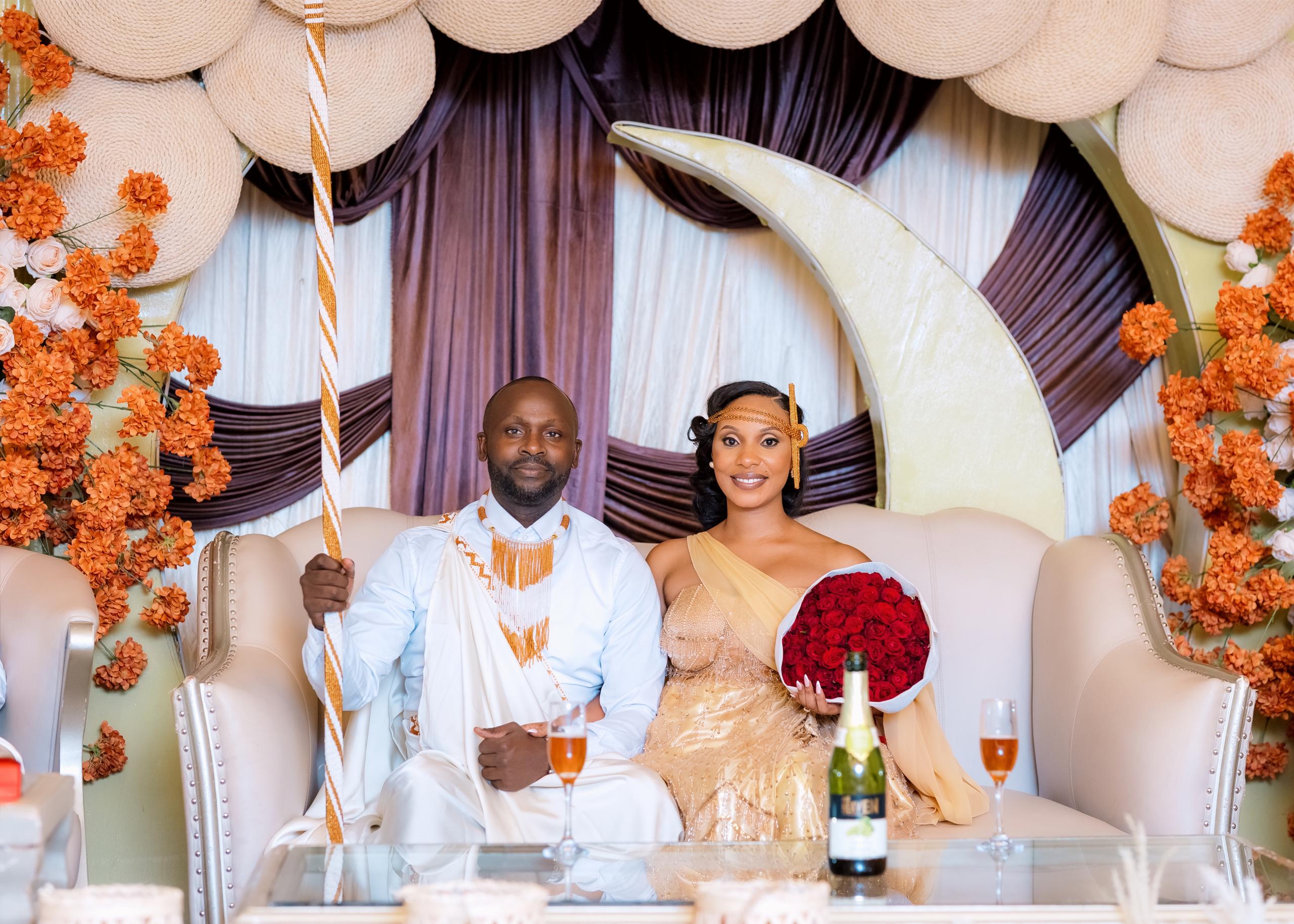
Gusaba, Gukwa and Ubukwe explained for family abroad and friends marrying into a Rwandan family.
A Rwandan wedding is rarely a single event. It's a sequence of ceremonies, sometimes spread over days or weeks, that brings two families together as much as two people. If you've grown up abroad, or you're about to marry into a Rwandan family, the programme can feel unfamiliar at first. This guide walks through what happens, how to take part from wherever you are, and what to expect on the day.
The three ceremonies
Gusaba (the request)
Gusaba is the formal introduction and proposal between families. The groom's family visits the bride's family to ask for her hand, and the conversation is led by spokespeople chosen by each side rather than by the couple.
This is the heart of the tradition: the exchange is witty, poetic and full of playful resistance. The bride's family may pretend not to understand the request or ask for more than seems reasonable, and the groom's spokesperson has to win them over with eloquence.
Gukwa (the bridewealth)
Gukwa is the presentation of inkwano, the bridewealth. Traditionally this was cattle, and the cow remains a powerful symbol of respect and prosperity in Rwandan culture. Today the gift is often symbolic, given as a cash equivalent, or presented alongside a cow.
Gusaba and Gukwa are frequently held on the same day as a single traditional ceremony, featuring intore dancers, traditional drinks, and the bride's entrance with her attendants, usually dressed in umushanana. For many families, this is the most emotionally significant part of the whole wedding.
Ubukwe (the wedding)
Ubukwe is the word for the wedding itself, and in modern practice it usually means the religious ceremony and the reception that follows. Couples must also complete a legally binding civil marriage at the local sector office (or a Rwandan embassy abroad) before the religious ceremony can take place.
The reception typically includes speeches, gift presentations, dancing and a carefully run programme led by an MC. Some families also hold later customs, such as Gutwikurura (a festive visit and housewarming from the bride's family to the couple's new home), so ask the couple which events they're planning.
Taking part from abroad
Travel and entry essentials
Most international guests fly into Kigali International Airport. Rwanda has made entry relatively straightforward in recent years, with visa-on-arrival available to all nationalities and visa-free entry for many African Union, Commonwealth, and Francophonie passport holders. Rules can change, so check the official Irembo portal or the Rwanda Directorate General of Immigration and Emigration website before booking.
- Vaccinations: You may need a yellow fever vaccination certificate depending on where you're travelling from or transiting through.
- Plastic bag ban: Single-use plastic bags (including airport duty-free bags) are strictly banned in Rwanda and confiscated on arrival. Pack gifts in fabric or paper bags, though clear resealable toiletry bags are generally permitted.
- Best seasons to visit: The long dry seasons, roughly June to September and December to February, are the most popular months for weddings.
Sending gifts from abroad
Cash is the most common and most practical wedding gift in Rwanda. In the months before the wedding, families often form a committee and hold contribution meetings where relatives and friends pledge support toward the costs.
If you're abroad, you can still pledge. Ask the committee how they'd like to receive contributions—whether through a family member, mobile money, or an online pledge page—and make sure your name is recorded so the family knows you took part. Physical gifts are welcome but can be difficult to transport, so check with the couple first.
Joining remotely
Many families livestream the traditional ceremony and the wedding for relatives who can't travel. If you can't attend, ask whether a stream is planned and whether you can send a short video message to be shared during the reception. A recorded blessing from an aunt in Brussels or a cousin in Toronto is often one of the most moving moments of the day.
Etiquette and what to expect
- Dress: For the traditional ceremony, women often wear umushanana, the elegant draped garment worn with a sash over one shoulder. Guests are not required to wear it, but doing so is warmly appreciated, and tailors in Kigali can make one for you if you arrive with a few days to spare. Men typically wear a suit or smart traditional attire. For the church service and reception, formal wear is the norm—when in doubt, dress up rather than down.
- Timing: Programmes can run long, and ceremonies sometimes start later than printed. The traditional ceremony alone can last several hours. Eat beforehand, plan your transport generously, and don't schedule anything tight afterwards. Arriving on time is still respectful, especially if you're part of a family delegation.
- Gifts and contributions: Your contribution is usually given before the wedding through the committee, or presented in an envelope at the reception. During the reception there may be a moment for gift presentations by family groups, friends or colleagues. If you're part of the groom's or bride's extended family, you may be asked to contribute toward the family's collective gift rather than giving individually.
- Respect the spokespeople: During Gusaba and Gukwa, the conversation belongs to the appointed speakers. Guests shouldn't interrupt, and photography may be guided by the family, so follow their lead.
Frequently asked questions
What is the difference between Gusaba, Gukwa, and Ubukwe?
Gusaba is the formal introduction and poetic negotiation where the groom's family asks for the bride's hand. Gukwa is the presentation of bridewealth (inkwano), which is often combined with Gusaba into one traditional ceremony. Ubukwe refers to the wedding celebration itself, typically the religious service and reception.
Do international guests have to wear an umushanana?
No, guests are not required to wear an umushanana, though wearing one for the traditional ceremony is warmly appreciated. If you arrive in Kigali a few days early, local tailors can make one for you, or you can wear smart formal attire.
What is the best gift to give at a Rwandan wedding?
Cash is the most common and practical wedding gift in Rwanda. Guests abroad usually contribute before the wedding through the family's wedding committee, via mobile money, or using an online pledge platform like Funddy Me so the committee can track contributions accurately.
How does Umuganda affect wedding travel in Rwanda?
Umuganda is Rwanda's national community work morning held on the last Saturday of every month from 8:00 AM to 11:00 AM. Public transport, taxis, and businesses pause during those hours, so avoid scheduling airport pickups, salon visits, or travel until after 11:30 AM on that Saturday.
How Funddy Me helps
Organising contributions across continents is one of the hardest parts of a modern Rwandan wedding. Pledges arrive through WhatsApp messages, phone calls and handwritten lists, and relatives abroad often aren't sure whether their gift has been received.
Funddy Me brings it all into one place. The couple or their committee shares a single link, and guests anywhere in the world can make a pledge, send a gift in their own currency using a gift code, and RSVP to each ceremony—whether they're travelling to Kigali or joining online. The committee sees every pledge and every RSVP in one clear dashboard, so no one's contribution gets lost and no one has to rewrite the list again.
Every pledge. Every plan. One beautiful day.
Frequently asked questions
What is the difference between Gusaba, Gukwa, and Ubukwe?
Gusaba is the formal introduction and poetic negotiation where the groom's family asks for the bride's hand. Gukwa is the presentation of bridewealth (inkwano), which is often combined with Gusaba into one traditional ceremony. Ubukwe refers to the wedding celebration itself, typically the religious service and reception.
Do international guests have to wear an umushanana?
No, guests are not required to wear an umushanana, though wearing one for the traditional ceremony is warmly appreciated. If you arrive in Kigali a few days early, local tailors can make one for you, or you can wear smart formal attire.
What is the best gift to give at a Rwandan wedding?
Cash is the most common and practical wedding gift in Rwanda. Guests abroad usually contribute before the wedding through the family's wedding committee, via mobile money, or using an online pledge platform like Funddy Me so the committee can track contributions accurately.
How does Umuganda affect wedding travel in Rwanda?
Umuganda is Rwanda's national community work morning held on the last Saturday of every month from 8:00 AM to 11:00 AM. Public transport, taxis, and businesses pause during those hours, so avoid scheduling airport pickups, salon visits, or travel until after 11:30 AM on that Saturday.